
How to Rank Your Local Business on Google Maps in 2026 (Step-by-Step)
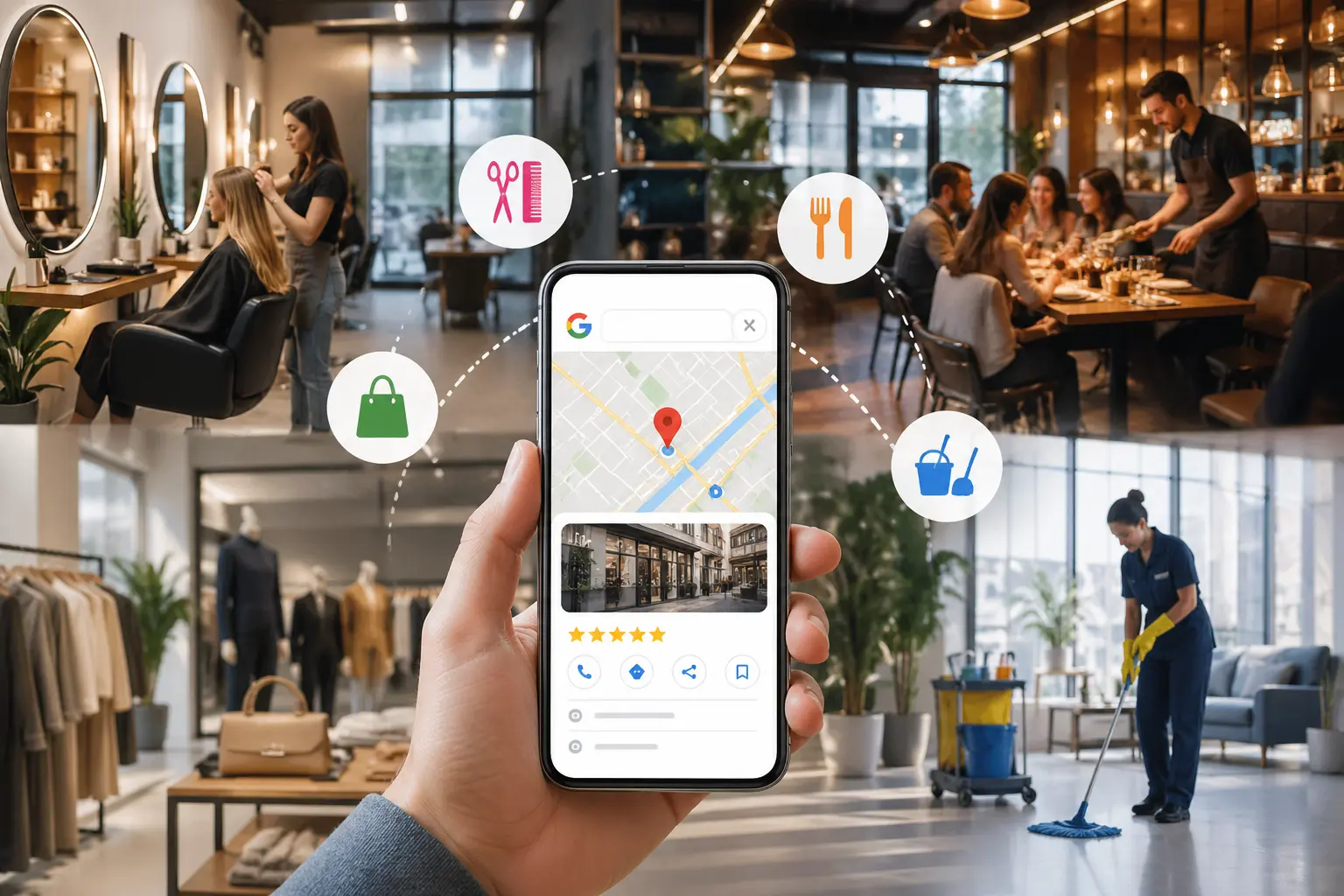
Why Google Maps Ranking Is the #1 Growth Lever for Local Business
Maps is where high-intent customers decide in seconds — open now, closest, best rated. If you are not in the top three pack for your core services, you are donating demand to competitors.
Step 1–6: The Exact Process
How to rank a local business on Google Maps
- Complete your Google Business Profile — Categories, services, hours, service areas, and photos should match reality — not a bare minimum listing.
- Align your website signals — Create pages for your primary services and cities you serve; match phone and address formatting.
- Fix citations — Audit key directories so NAP matches everywhere that matters for your country.
- Build a review rhythm — Ask happy customers with a simple link flow — aim for recency, not one-time spikes.
- Publish useful local content — Answer the questions customers actually ask — parking, booking, pricing ranges, service boundaries.
- Track and iterate monthly — Measure rankings for target keywords, calls, and direction requests — adjust what is weak.
Common Mistakes That Kill Your Google Maps Ranking
- Wrong primary category or missing services
- Fake addresses or keyword-stuffed names
- Ignoring photos and Q&A so listings look abandoned
How Long Does It Take to Rank?
Light competition can move in weeks. Dense cities may take months — especially if competitors have years of reviews. Consistency beats shortcuts.
Published by the Panabotics Team — AI development and local business growth specialists.
Frequently Asked Questions
Do I need a website to rank on Google Maps?
A website helps because it strengthens relevance and gives you landing pages for services — but many businesses still compete with a strong Google Business Profile first. The best setups align both so they tell the same story about what you do and where you do it.
How important are reviews really?
Reviews influence trust and engagement signals — and they often decide whether someone clicks you versus a competitor. The goal is steady, recent reviews that mention real services and locations.
Can I rank if my competitor has been around longer?
Yes — history matters, but relevance and proximity still shift rankings when you execute basics correctly. Newer businesses can win by being more specific, better reviewed, and easier to contact.
Should I keyword-stuff my business name?
No — that is a policy risk and it erodes trust. Use your real brand and earn relevance through categories, services, photos, and site content.
What is the #1 technical mistake businesses make?
Inconsistent Name/Address/Phone across directories. Search engines use consistency as a trust signal — messy citations confuse the map.